Winter jobs that pay off
The quiet season is when next summer’s garden is really made. Six jobs worth doing now.
By Priya Nair · Verdora Landscape Studio
Nothing much appears to happen in a garden between December and February. Almost everything that matters does.
Six jobs, in order of return
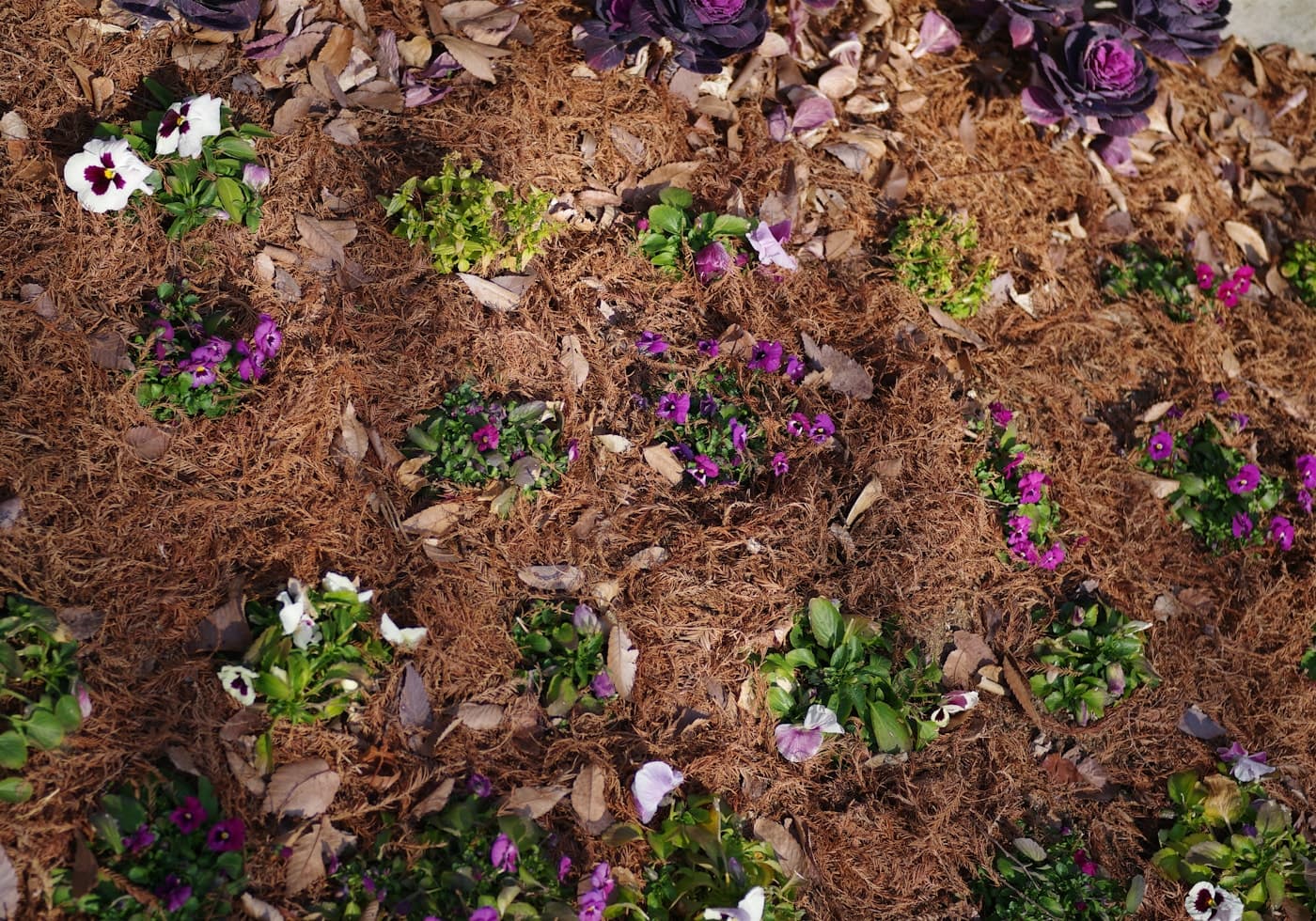
Mulch. A 50mm layer of composted bark over damp soil is the highest-return hour you will spend all year. It suppresses weeds, holds winter moisture into spring and feeds the soil biology that carries your planting through August.
Structural pruning. Deciduous trees and shrubs are legible without their leaves. This is the only time of year you can see what you are doing, and cuts made now heal fast in spring.
Irrigation audit. Run every zone, walk every line, and replace the emitters that clogged last season. Finding a failed zone in February costs nothing. Finding it in July costs plants.
Lighting realignment. Growth moves fittings out of aim over a season. Twenty minutes with a ladder in January restores a scheme that has quietly drifted.
Hard surface cleaning. Get algae and organic film off stone before spring. It is a safety issue on steps, and it is far easier before growth starts.
Order bare-root. Hedging, roses and fruit are cheaper, establish faster and have better root systems bare-root than containerised. The window is short and it is now.
What to leave alone
Do not cut back ornamental grasses and seed heads until late February. They carry the garden visually through the dead months and they are overwintering habitat for a large number of beneficial insects.
And do not walk on waterlogged lawns or beds. Compaction done in January takes two seasons to undo — which is a lot of damage for a shortcut across the grass.