Water-wise, not water-less
Lush gardens on a fraction of the irrigation. The trick is soil and grouping, not gravel.
By Priya Nair · Verdora Landscape Studio
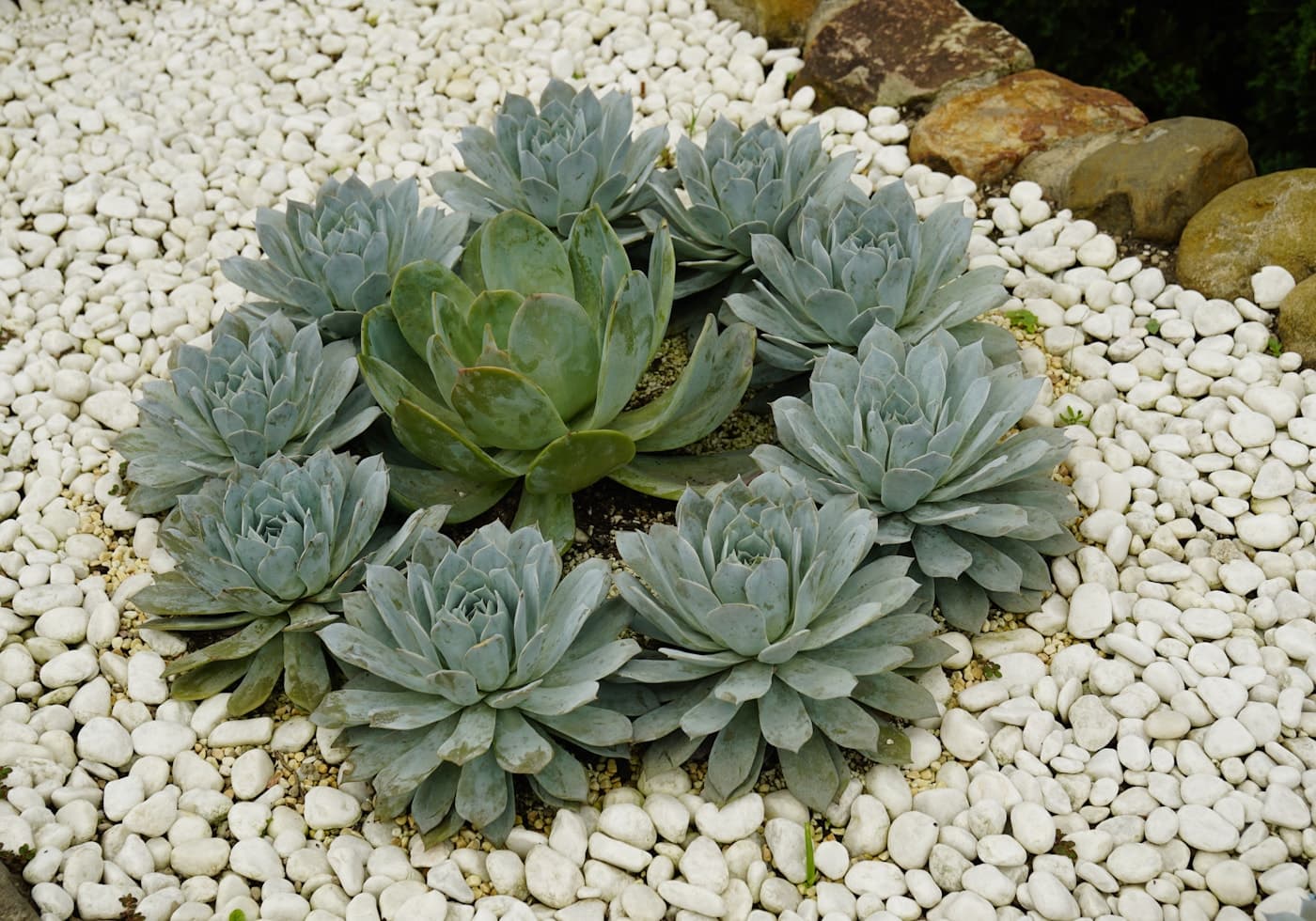
Every drought brings a wave of gardens replaced by gravel, three agaves and a boulder. It saves water and it also removes most of the reason to have a garden. There is a much better trade available.
Start with soil, not plants
A soil with 5% organic matter holds roughly twice the plant-available water of one with 2%. Getting there — through compost incorporation and a permanent mulch layer — cuts irrigation demand before you have chosen a single plant.
This is unglamorous and it is where most of the saving actually comes from. On Coastal Meadow, soil work accounted for over half of the 74% reduction we measured.
Group by thirst, not by looks
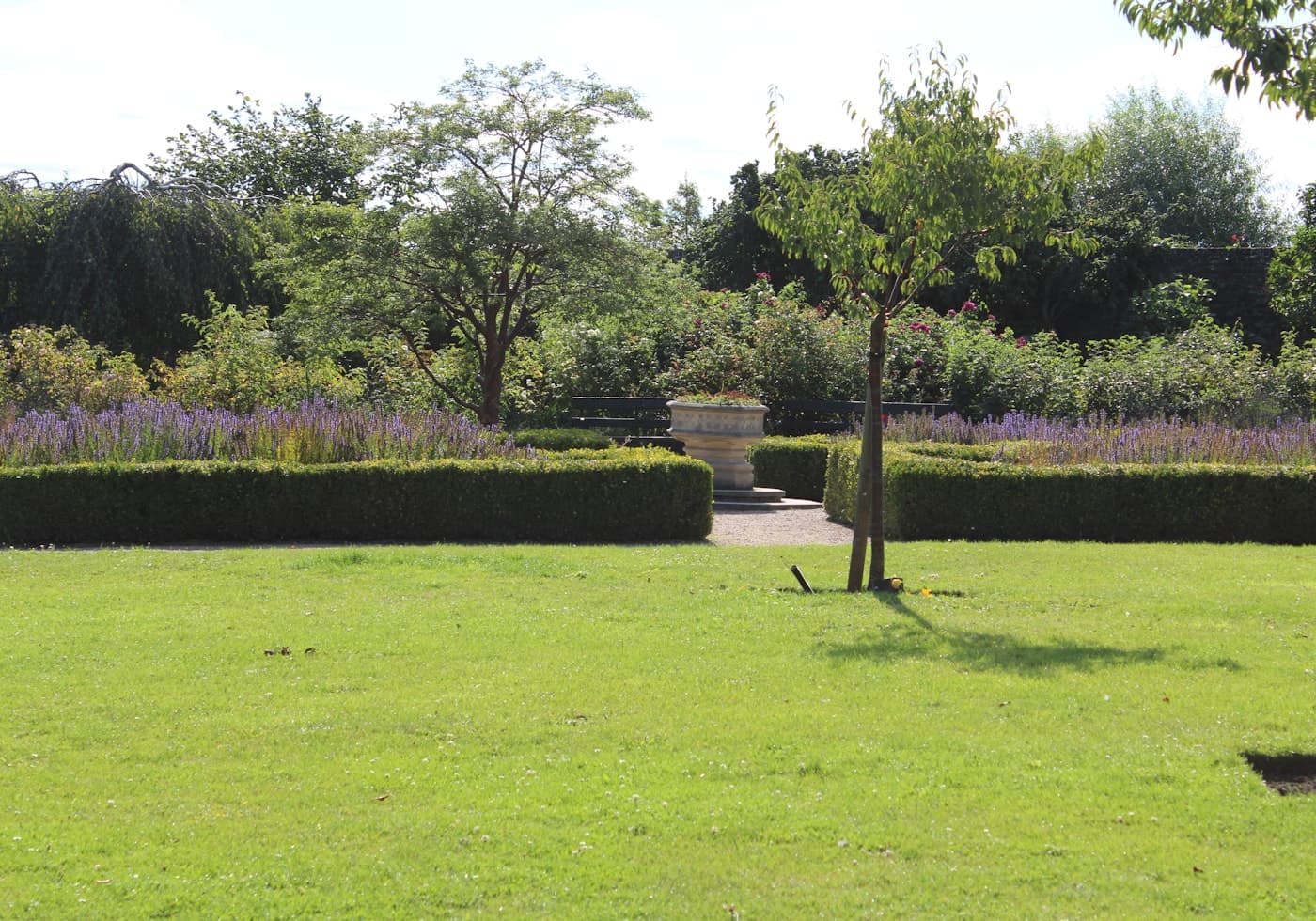
Hydrozoning is the least fashionable idea in planting design and one of the most effective. Put the thirsty plants together, near the house, on their own irrigation zone. Everything further out is grouped by decreasing water need.
The alternative — a mixed border on a single zone — means irrigating everything at the rate of its thirstiest member. That is usually where the waste is.
Irrigate deeply and rarely
Frequent shallow watering trains roots to sit near the surface, where they dry out first. A long, infrequent soak drives roots down. Most established gardens on our care plans run one deep cycle a week in summer, not daily bursts.
Mulch is not optional
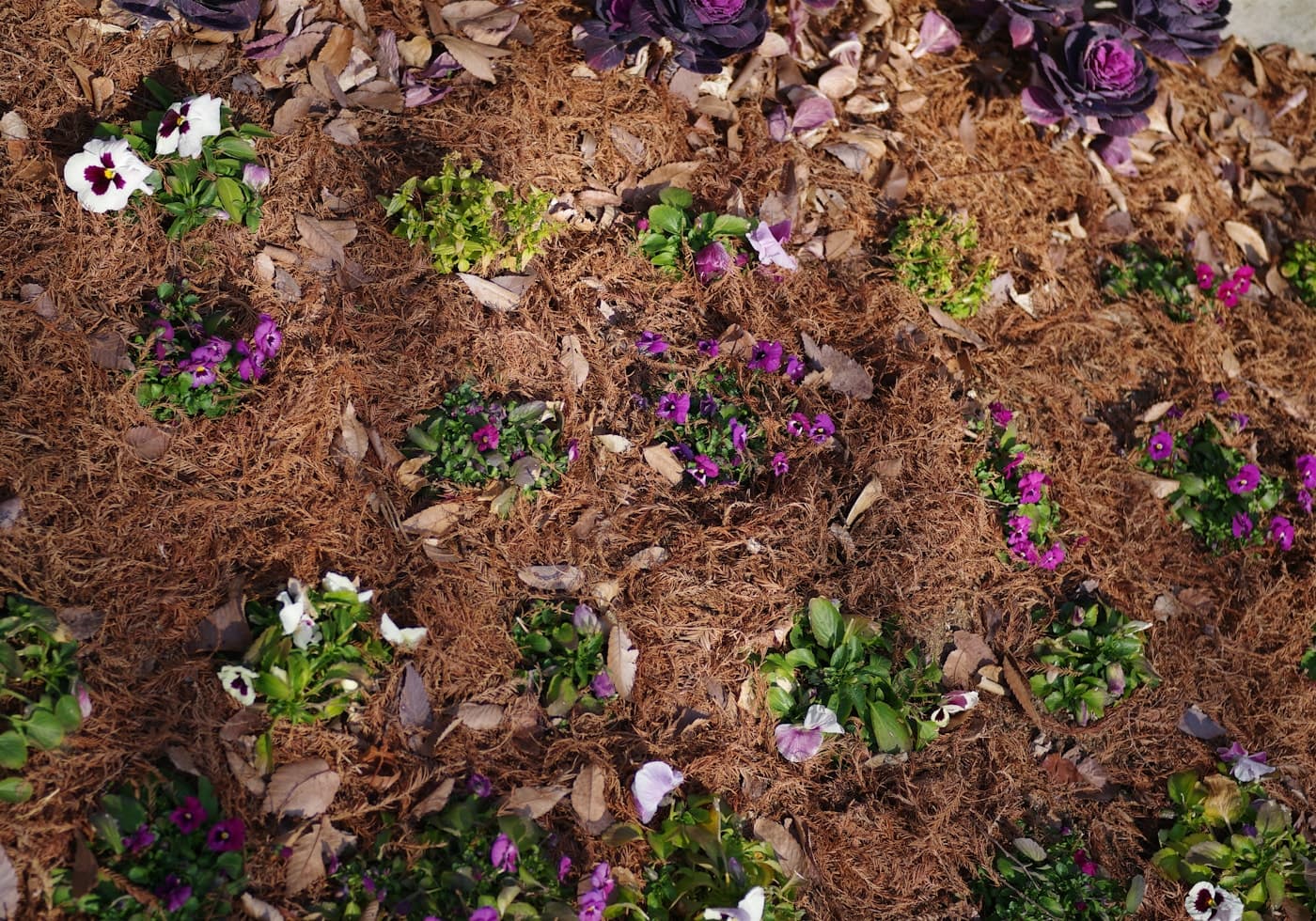
50–75mm of coarse organic mulch cuts evaporative loss from the soil surface by more than half. It is the cheapest irrigation upgrade available, and it needs topping up roughly every second year.
What you actually give up
Lawn, mostly. And the specific look of a border that stays uniformly green in August. What you keep is density, flowering, movement and habitat — which is the part anyone actually notices.